Open, Distance & Flexible Education

Open, flexible, and distance education serves as a cornerstone of modern education, offering learners the freedom to access quality educational opportunities regardless of geographical constraints, schedules, or personal circumstances, thereby democratising learning and promoting lifelong education for all.

Photo by Chris Montgomery on Unsplash

The landscape of education is rapidly evolving, and open, flexible, and distance education (OFDL) is emerging as a crucial component in providing access to learning opportunities, fostering collaboration, and leveraging expertise beyond local boundaries. It’s essential to recognize OFDL not as a secondary option, but as an integral part of our reimagined approach to education in the post-pandemic era and beyond.

This is an area that FutureMakers has lots of experience in, and we’re keen to support you here. These are some of the things we believe are benefits of embracing ODFL within our current schooling mindset…

1. Access and Equity:

  • Highlighting the role of OFDL in providing access to learning opportunities that may not be available locally, particularly in remote or underserved areas.
  • Emphasising the importance of ensuring equity in education by removing geographical barriers and providing equal access to high-quality learning experiences for all students.

2. Connection and Collaboration:

  • Showcasing the potential of OFDL in enabling connection with expertise and resources not available locally, fostering collaboration among students and educators across geographic and cultural boundaries.
  • Highlighting the value of participating in online groups and communities to learn from and with others in collaborative ways, promoting global citizenship and cultural understanding.

3. Pedagogical and Instructional Design:

  • Recognising the wealth of research behind the pedagogical and instructional design of effective distance education.
  • Advocating for drawing on this research to inform the development of modern online learning environments that prioritise engagement, interaction, and personalised learning experiences.

4. Enhancing Resilience Through Hybrid Learning:

  • Highlighting the importance of hybrid learning approaches in ensuring continuity of education, especially during disruptive events such as extreme weather, pandemics, or student illness.
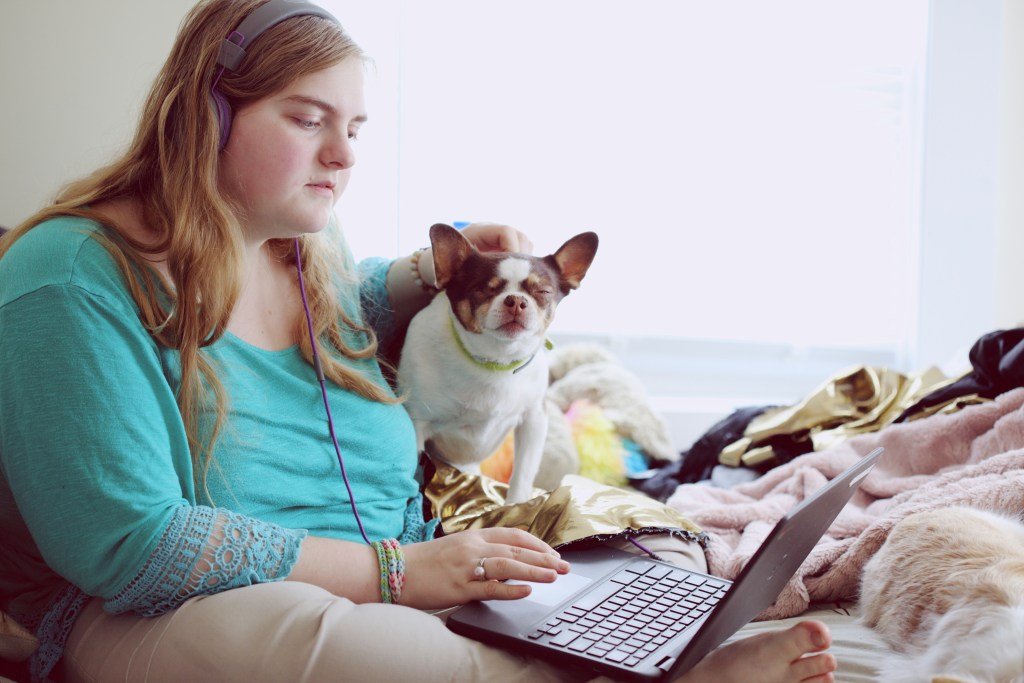
  • Emphasising that hybrid learning enables access to learning from home, providing flexibility for students and educators to adapt to changing circumstances.
  • Advocating for the integration of technology and digital platforms to facilitate seamless transitions between in-person and online learning modalities, ensuring uninterrupted learning experiences for all students.
  • Stressing the role of hybrid learning in increasing the resilience of our education systems, empowering schools to maintain continuity of provision regardless of external disruptions.

5. Integration into Education Frameworks:

  • Stressing the importance of integrating OFDL approaches into the reimagined framework of school-age education, rather than relegating them to a secondary status.
  • Emphasising the need to provide professional development opportunities for teachers to enhance their skills in facilitating online learning and leveraging technology effectively.
  • Highlighting the potential of OFDL not only for students but also for teachers, who can expand their options for career development and collaboration through online platforms and networks.

Thought pieces

Open, Distance & Flexible Education papers

Empty Seats

Downloadable PDF
A toolkit for strategic resilience planning REVISED VERSION AVAILABLE – after several requests from and conversations with educators following the release of the original paper in January 2023, I have revised the document to include the topic of extreme weather events and natural disasters as another area to be considered as we plan strategically to […]

Read more

Being Resilient: Characteristics of Resilient Schools

Downloadable PDF
This paper provides guidance for school leaders as they seek to work with their staff and communities to design the systems, structures and processes required to ensure they are able to continue providing high quality learning experiences for their students in the wake of any disruption they experience, be that short or long-term, impacting all […]

Read more

Resilience Planning

Downloadable PDF
Resilience Planning for Schools in an age of COVID-19 This paper provides a framework for considering what options a school might consider to be adequately prepared for this eventuality, proposing the adoption of a hybrid model as a solution. The elements and benefits of a hybrid model are explained. The video at the bottom of […]

Read more

VLN in NZ

Download PDF on page
The Virtual Learning Network in New Zealand: History and Future ThoughtsThe Virtual Learning Network has operated in New Zealand for over thirty years as a collaboration among clusters of schools seeking to provide access to quality learning opportunities for all of their students. The first part of this paper provides a background to the development of […]

Read more

Future of the VLN

Download PDF on page
This paper presents a case for bringing initiatives such as the VLN into the ‘mainstream’ of our education system in New Zealand. The significant question that this report addresses is how the Virtual Learning Network (VLN) might be re-conceptualised in line with its original vision of being a national learning exchange, and grow to become […]

Read more

Find out what’s new on the blog

Post Image

Flexibility Isn’t a Feature – It’s the Future

In my latest conversation on the future of education I spoke with Te Rina Leonard, CEO of Te Aho o Te Kura Pounamu (the New Zealand Correspondence School), and what...

Read more

Post Image

Building an Integrated Education Ecosystem for Aotearoa’s Future

What if students could learn anytime, anywhere, with full support, equity, and agency? Over the past few years, Aotearoa New Zealand’s school sector has been stretched in ways few could...

Read more

Post Image

Getting Serious About Our Future

We agree that achieving coordinated, system-wide change is crucial. We must act decisively, act as a whole system, and start now. Brett O’Riley, Chair, 21st Century Learning Reference Group, 2014...

Read more

Post Image

Systems Thinking: Virtual Learning

Virtual Learning Following on from my previous posts about Systems Thinking and School lunches, and systems thinking and mobile devices, this post considers systems thinking and virtual learning within the...

Read more

Post Image

Hybrid @ Hagley

“Our unique Hybrid @ Hagley model combines the best of both worlds: in-person learning at our kura and online learning via scheduled video calls.’ https://hagley.schoolpoint.co.nz/courses/course/12hh There’s been a lot of...

Read more

Post Image

New Report: The State of Distance Learning In NZ Schools

This report is the fruition of our attempts over the past decade to better understand the overall landscape of distance learning in the NZ schools sector Report Introduction, Page 1...

Read more

Book recommendations

Go to the bookshelf

What I'm reading on "Open, Distance & Flexible Education"

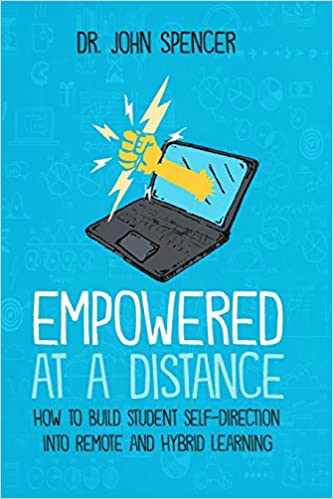
Empowered at a Distance

John Spencer
If you’re looking for some really useful ideas and strategies for powering up your work in virtual or hybrid learning, then this book is a great place to start. It’s not just another great tricks guide to online technologies – but is anchored in pedagogical practice, providing practical strategies for building student ownership into the […]