Derek’s Blog, launched in 2003, serves as a platform for sharing thoughts and reflections related to his work. It offers over 20 years of searchable posts, categorized by the tags below. Feel free to comment, as your feedback contributes to ongoing reflection and future posts.
Keeping Our Kids Safe Online

The Conversation We’re Not Having: Why Every Educator Needs to Hear This One
Here’s the latest episode in the podcast series: Conversations on the Future of Education. This one features a conversation with Ray Finch who I met recently at a conference we both happened to speak at. His message is one I believe every educator and parent needs to hear, so I invited him to join me to record this episode.
Most guests on this podcast come from inside education. Ray Finch doesn’t. He’s the chief executive of the Laura Ferguson Trust, and his background is in the disability sector – not classrooms, not curriculum, not pedagogy.
But over the course of our conversation, it became clear why his voice belongs here anyway. Ray has spent the past few years working alongside New Zealand’s Security Intelligence Service, Internal Affairs, the FBI, and an international coalition called the Eradicate Hate Global Summit, tracking a threat that is reaching directly into the lives of our young people – often through platforms they use every single day.
This isn’t another episode about screen time or phone bans. It’s about something happening underneath all of that, and it’s happening faster than most of us realise.
WARNING: some people may find some of the themes in this podcast disturbing. Discretion advised.
Beyond bullying
We’ve all seen the headlines about online bullying, and many will recognise the picture painted in Netflix’s Adolescence. Ray told me, plainly, that this only scratches the surface.
He described a global phenomenon – organised, deliberate, and growing at an exponential rate – in which young people are targeted, “love-bombed,” and then coerced through blackmail into acts of self-harm and violence. It starts, more often than not, not on social media but inside the gaming platforms our kids consider the safest, most ordinary part of their online world.
It’s the kind of thing that, once you’ve heard it described, changes the way you think about a child closing their bedroom door with a device in hand.
Why banning isn’t the answer we think it is
New Zealand schools are moving toward restricting devices. Australia has gone further, banning under-16s from major social media platforms. Ray doesn’t dismiss these moves – but he raises a concern that reframes the whole debate: bans that don’t work 100% of the time don’t just fail to protect kids. They can actively silence them.
He draws a comparison with conversations parents have about sex with their children. Often, he points out, they won’t come to you when something happens. The same logic, he argues, applies here. If a platform is banned outright, a child who stumbles into something frightening on it has one more reason to keep it to themselves for fear of being exposed for being on the banned platform.
The kids most at risk – and the tool that’s helping teachers spot them
Ray named this new phenomenon as nihilistic violent extremism – coercion and radicalisation for no ideological purpose at all, “just because they can.” He explained who is most vulnerable to it, why isolation and loneliness are the biggest predictors of risk, and a simple profiling tool some schools are already using to help teachers notice changes in a student over time, before things escalate.
He also shared a story from his own advocacy work that illustrates, more powerfully than any statistic could, how quickly this can spiral – and how ordinary the warning signs can look from the outside.
Where this leaves teachers, principals and parents
What struck me most was that Ray’s message isn’t one of fear for its own sake. He’s careful, deliberate, and – perhaps because he’s outside education looking in – offers a genuinely useful reframe for school leaders wrestling with the tension between preparing students for a tech-driven future and keeping them safe within it.
His answer isn’t “ban it.” It’s something closer to: treat online safety the way we’ve learned to treat financial safety – with the same everyday vigilance, the same normalised conversations, and the same refusal to be embarrassed into silence.
Listen to the full conversation
This episode goes into detail I haven’t touched on here – including the specific platforms of greatest concern, what schools are already doing well, and Ray’s own hopes for how we get this right. It’s a conversation I’d encourage every principal, teacher and parent to make time for.
Resources from Ray
Ray has generously shared the following resources for those who are interested in pursuing these issues more – included here are links to go to to report on content or behaviour you become aware of, background research, handouts and docs useful for sharing with students, staff and parents…
- Preventing and Countering Violent Extremism (PCVE) – Positive Online Interventions – This suite of eLearning modules empowers frontline professionals to reduce the risk of radicalisation through early, safe, and effective engagement.
- Reporting a national security concern – Report any concern for online coercion and radicalization here
- Digital Violent Extremism Form – If you come across content that is of concern to you, the best route to report it on this site. Department of Internal Team will respond and take appropriate action.
- HeadspaceInvaders – an engaging online activity for kids – excellent for raising awareness
- Viewing Harmful Content – Information on how to respond if a student has viewed harmful content
- Safe responses to behaviours of concern – new de-escalation and dis-engagement training from MySkill
- Information guide: The Com Network – an online movement targeting students (useful for sharing with staff/parents/community)
- Information for young people – two page handout designed specifically to share with young people to raise awareness of the issues
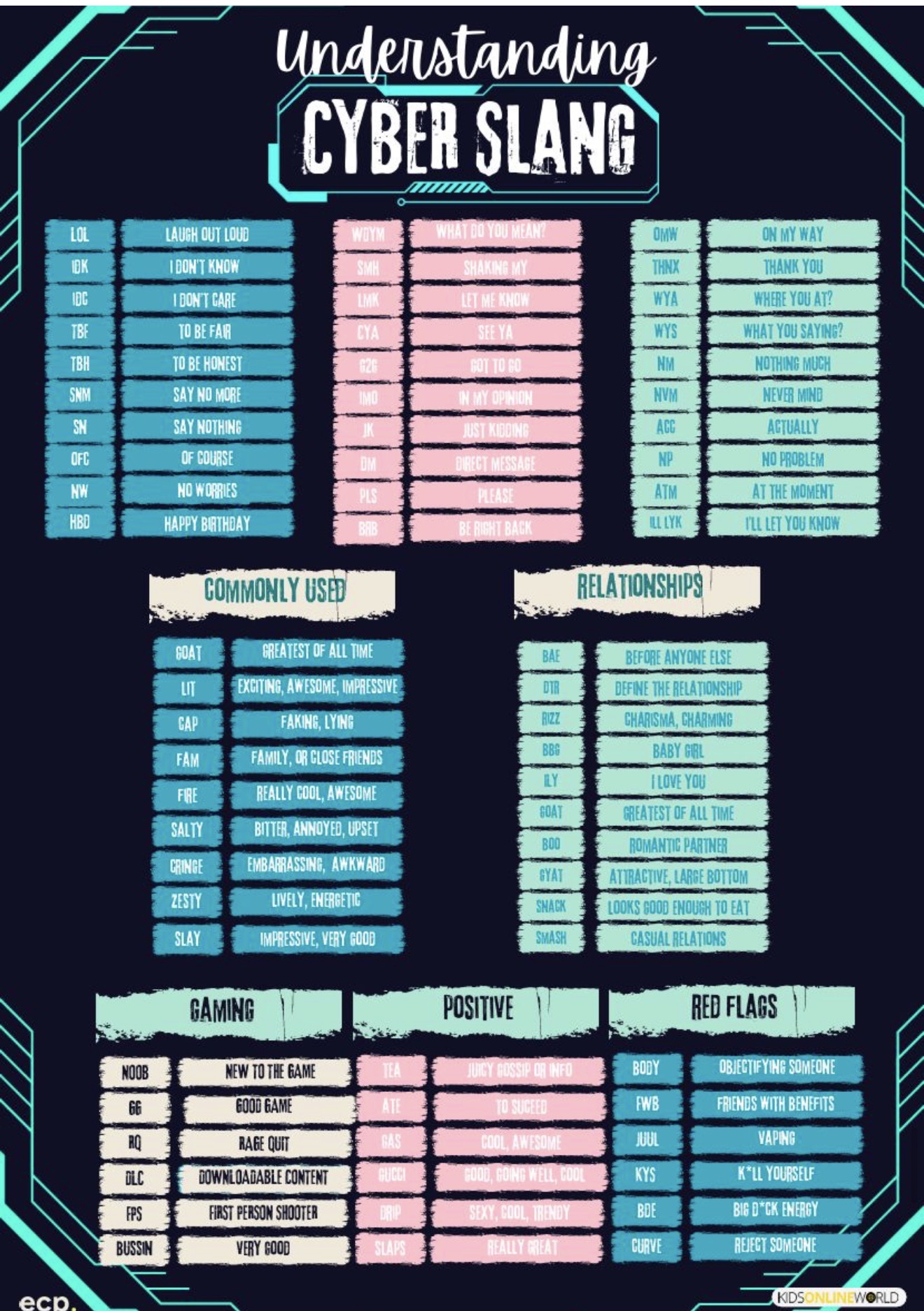
- Understanding Cyberslang – a ready to print poster for your classroom wall
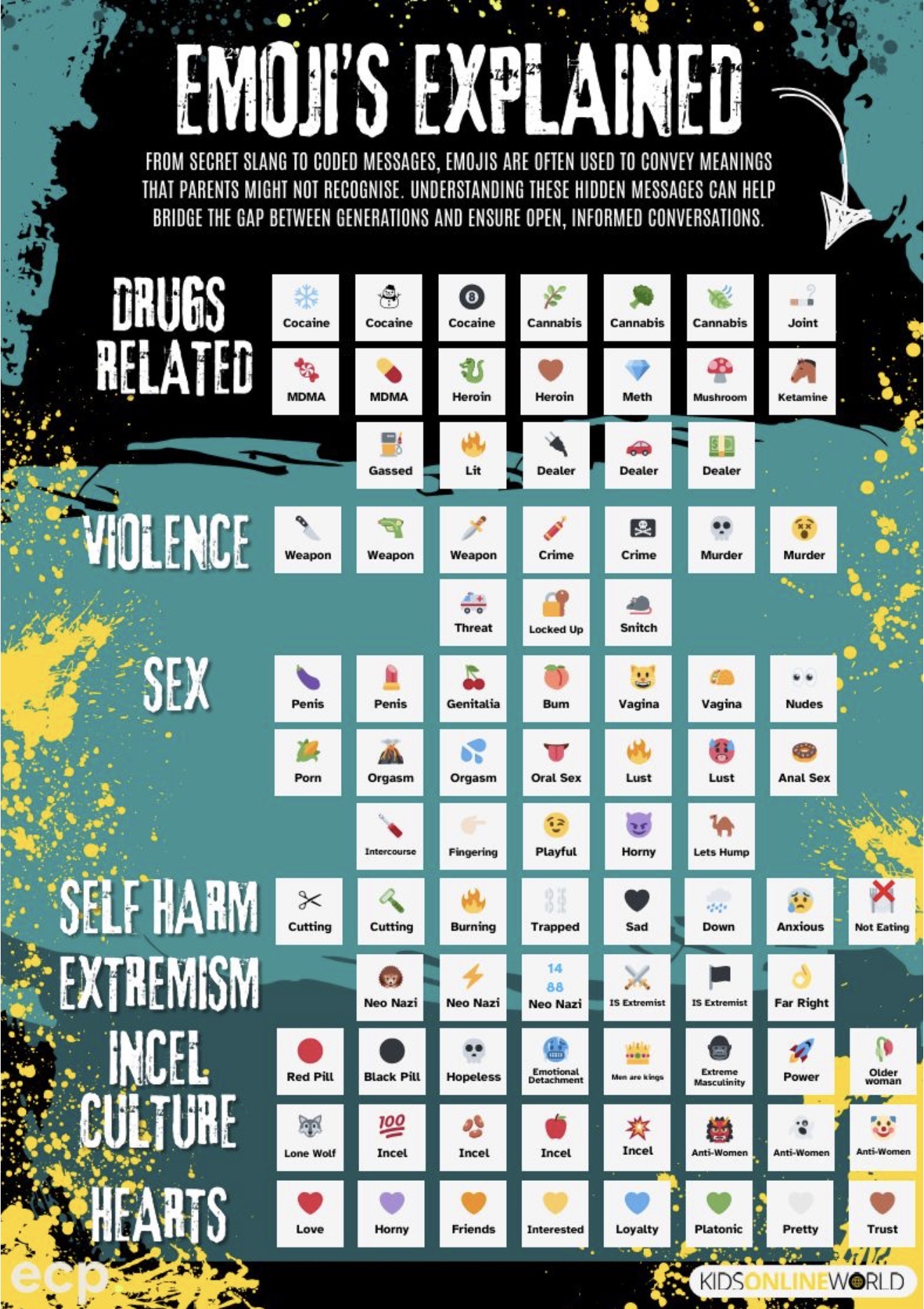
- Emojis explained – a ready to print poster for your classroom wall
- What’s happening on TikTok – a ready to print poster for your classroom wall
- Know the Signs – a useful 2-pager with information on what to look for when young people are being subject to this sort of behaviour
- This is me and Risk Matrix – useful handouts for use with students
- Weaponised loneliness – A research paper on “weaponized loneliness” and its role in online exploitation
- A toolkit for engaging with those affected by psychological manipulation and coercive control
- Empathy questionnaire – For helping your loved ones under the Influence of psychological manipulation or coercive control
- Red flags for psychological manipulation
- Toolkit for helping youth
- Toolkit for recovery from psychological manipulation & coercive control
- Online abuse and harassment – a page of resources and links from NetSafe
- Video: Exposing 764 – “764” is a global cult of online predators – many are teenagers targeting vulnerable children
- Video: Know the signs – the video below may be useful for sharing with staff and parents… really good awareness raising starter.
- Paid Content: Preventing and Countering Violent Extremism (PCVE) – Developed by Explore Hāpainga Ora, this suite of eLearning modules empowers frontline professionals to reduce the risk of radicalisation through early, safe, and effective engagement.